
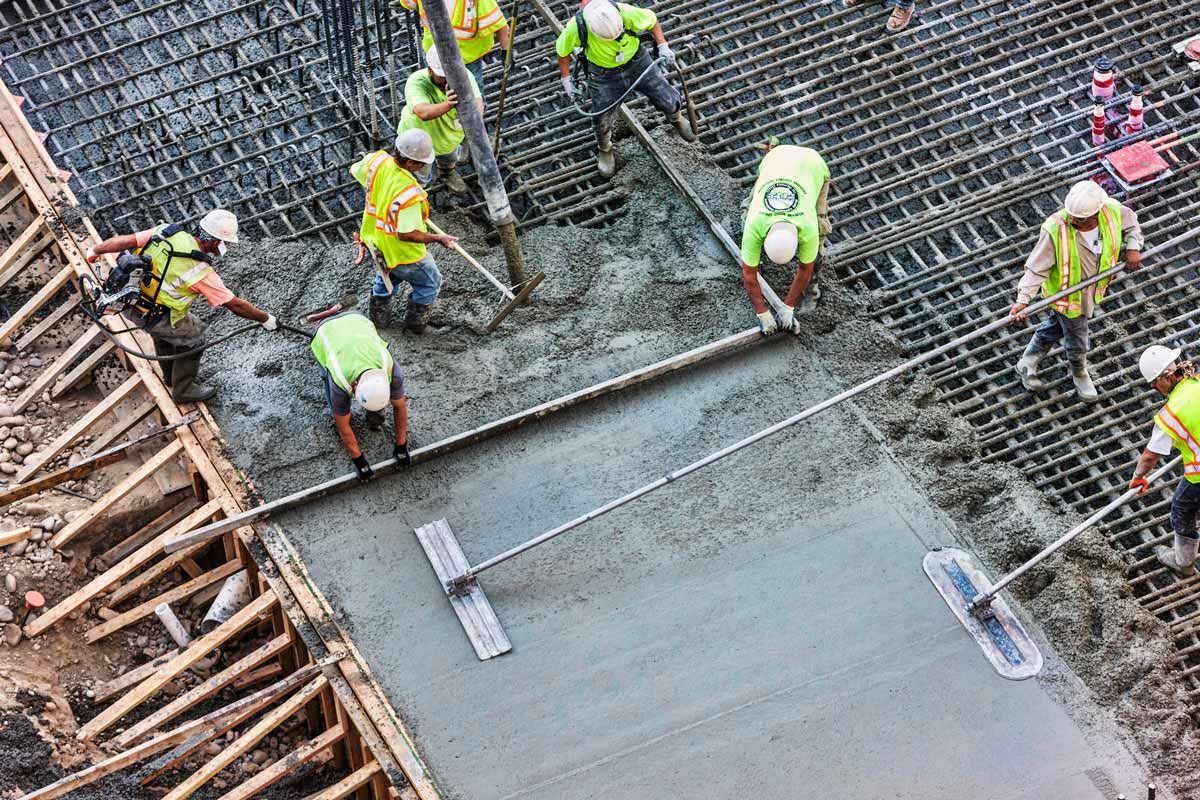

How To be a Concrete Contractor – Step by Step Guide.
Concrete is a type of construction material that is among the most common in the world, and behind every robust base or the fancy finish, one will find a professional concrete contractor. You may be asking yourself how to become a concrete contractor in case you are interested in pursuing a career in the field. It entails technical knowledge, on-job training, business skills and required licenses to work within the law.
In this guide, you will go through all the steps, starting with the knowledge of what a concrete contractor does and how to market yourself and build a thriving business.
What Does It Mean by a Concrete Contractor?
The role before getting into the process is necessary to comprehend the role. A concrete contractor is a skilled person whose duty is to deal with concrete in different types. Their duties include:
- Mixing and pouring concrete
- Building foundations, sidewalks, driveways, and decorative finishes
- Blueprints reading and adherence to construction specifications.
- Providing safety and building codes adherence.
To the point, they convert raw materials into long-term structures. The understanding of the job will make you determine whether it is a good career or not.
Education & Qualifications: Putting the Ground Work.
Education is the initial step when inquiring how to become a concrete contractor. Formal college degree is not always required, although some background in construction technology, or civil engineering may prove useful. Most contractors start with:
- High School Diploma or GED – Focus on subjects like math, technical drawing, and shop classes.
- Trade School or Community College – Offers courses in construction, masonry, or blueprint reading.
- Certifications Construction Certifications – Certifications, which are industry-accepted, demonstrate that you know materials and techniques.
Formal training is also important even though it is based on practical training.
Hands-On Learning: Apprenticeships and On-the-Job Experience
Then it is important to acquire practical experience. The change between theory and practice occurs to the best via:
- Apprenticeships -Vast numbers of unions and construction companies provide training programs that enable you to learn as you earn.
- Entry-Level Positions – begin as a laborer to toil into the concrete mixing, pouring and finishing.
- Mentorship- The opportunity of working with seasoned contractors offers important knowledge about the industry.
Over time, you will know more about the curing time, structural stability and finish methods. Such hands on experience is what distinguishes a typical worker and a competent contractor.
Licenses, Certifications and Safety- Remaining Lawful and Guarded.
The other crucial move in learning to be a concrete contractor is the knowledge of licensing and safety requirements. These are depending on location, but most of them contain:
- Contractor License– This is a requirement in most states or cities to be in business.
- OSHA Safety Training -Gets you to be able to establish and sustain a secure working environment.
- Concrete Certifications – Certificates that are provided by the association like the American Concrete Institute (ACI).
Moreover, a contractor has to be in adherence to the building codes and zoning rules. Failure to undertake such steps might attract fines or even loss of credibility hence acquiring the right licenses is not negotiable.
Key Skills: From Technical Know-How to Business Acumen
Technical knowledge is required, but it takes other skills to make one a successful contractor. These include:
- Technical Skills – Mixing ratios, formwork, reinforcement, and finishing.
- Project Management – Scheduling, budgeting and labor.
- Skills in Communication– Researching project specifics to clients and liaising with other professionals.
- Problem-Solving Abilities – Handling unexpected challenges during construction.
Changing being an employee to being a contractor means learning how to both do and lead.
Selection of Niche and a Business Plan.
Not every contractor offers the same services. As you move on it is prudent to take a niche like:
- Residential projects (driveways, patios, countertops)
- Business undertakings (car parks, factories, pillboxes)
- Ornamental concrete (stamping, polishing, staining)
After deciding on what to focus on, step two is to work out a good business plan. This should outline:
- Your target market
- Pricing strategy
- Marketing approach
- Long-term growth goals
A business plan is a guide, and it makes you on track and concentrated when setting the company.

Investing in Equipment & Supplier Securing.
The concrete work needs special tools and equipment. As a contractor, you’ll need:
- Mixers and vibrators
- Concrete saws and finishing tools
- Protective gear for safety
- Transporting material vehicles.
It is also essential to build relations with effective suppliers. This is due to consistent availability of quality cement, aggregates and sealants which make operations smooth. The transformation of a laborer to a contractor will involve the responsibility of equipment management and supply chains.
Insurance, Permits & Business Structure
Protecting your business is necessary prior to initiating projects. This involves:
- Insurance- general liability, workers compensation and property insurance insure you against risks.
- Permits– depending on the job you might require municipal permits of sidewalks, driveways or commercial foundations.
- Registration of business – Choose how to establish the business as a sole proprietor, partnership, LLC or corporation.
Such legal measures do not only protect your money, but also help in building your reputation among customers.
Marketing Your Services: First Jobs.
The most competent contractor will not have a chance to succeed without clients. Thus, it is essential that marketing should be efficient. Strategies include:
- Creating an optimized professional web site using key words such as concrete contractor near me.
- Setting up the profiles at Google Business Profile and Yelp.
- Connection with builders, architects and real estate agents.
- Presenting the previous projects on the social media platforms such as Instagram and Facebook.
Moving off the training to the company of your own involves exposure. The better informed the people about your services the easier will be to get the jobs.
Growth Management: Team, Projects and Reputation.
Lastly, you should build up to grow when you are established. It entails dealing with growth, which includes:
- Recruiting professional employees or apprentices.
- Safety and technical training of your staff.
- Ensuring that quality is controlled to create a good reputation.
- Collected client reviews and referrals to get new business.
Keep in mind that the best marketing tool that you have is your reputation. The continued production of quality projects will make you a trusted name within your community.
Final Thoughts
When you are asking how to become a concrete contractor, you can say that you have to mix education, practical experience, licenses, business planning and powerful marketing. The change between an amateur and a professional can be a long term process but with a bit of determination and the proper plan you can have a fulfilling career in this booming industry.
Modern construction is built on concrete and by becoming a contractor you put yourself at the center of any project. In residential houses and in commercial buildings, your skills will make a significant mark on the built-in space.